Why Teens Need More Sleep Than Adults (And Why Holidays Are the Time to Let Them Have It)
During holidays, parents everywhere face the same internal debate:
“Should I let them sleep…
or should I go in there and remind them the sun came up hours ago?”
We joke about kids being nocturnal, dramatic, permanently exhausted, and allergic to mornings -
but here’s the shift:
They aren’t lazy.
They’re biologically overloaded.
And they often need more sleep than adults.
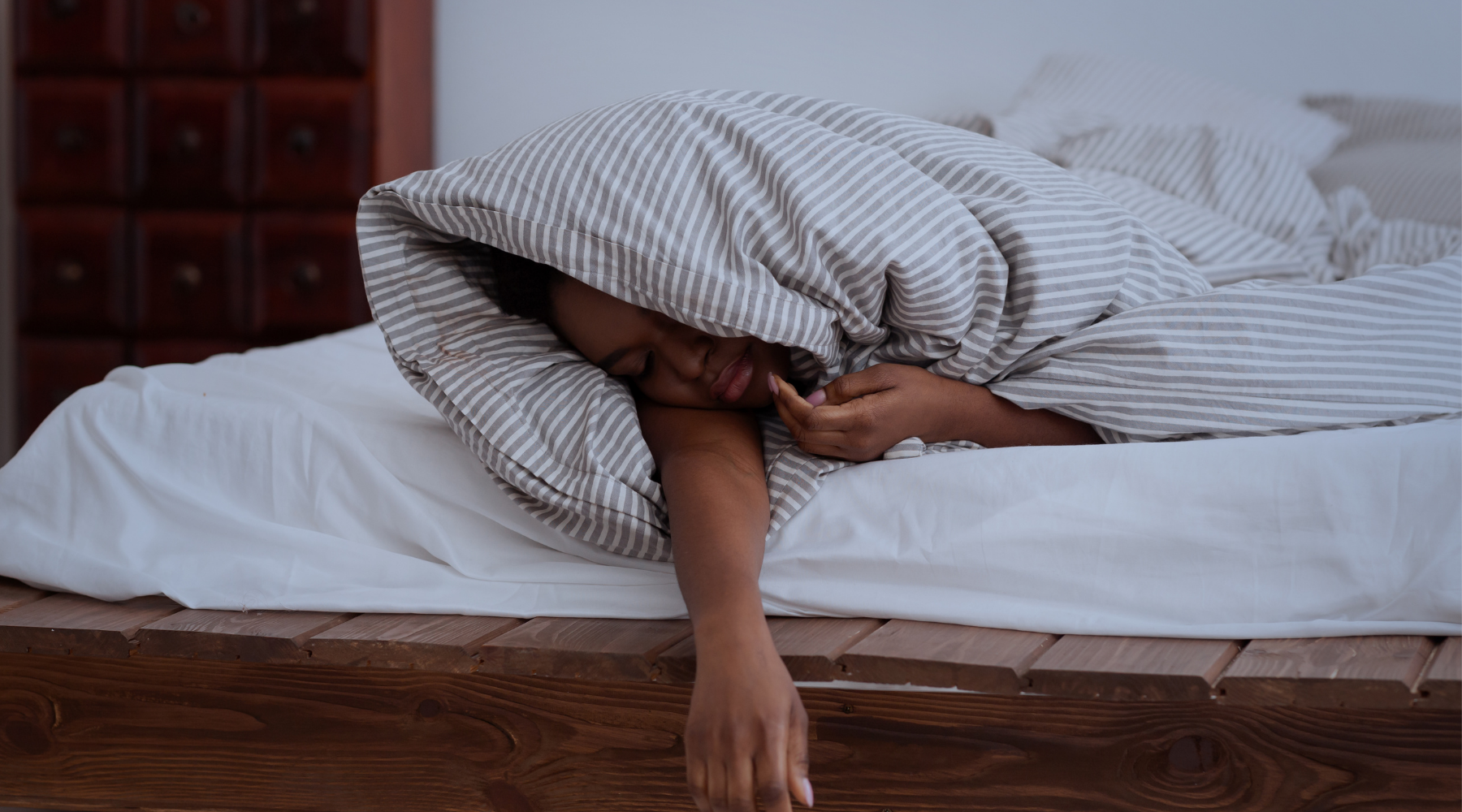
Holiday periods can feel like they’re sleeping half the day away - but science suggests this may be exactly what their bodies need.
1. Teens aren’t just tired - they’re under construction
Your child is essentially a system in development.
Behind the scenes:
- Hormones are shifting rapidly
- Growth spurts are occurring
- Emotional regulation systems are being refined
- The brain is restructuring for adulthood
- The nervous system is learning how to regulate itself
All of this requires energy - and sleep is where much of that work happens.
So when they sleep later than expected, it’s not a lack of discipline.
It’s development in action.
2. Their brains are actively reorganising
During adolescence, the brain undergoes a process called synaptic pruning.
This is where unused neural connections are removed and important ones are strengthened.
This process improves:
- learning efficiency
- decision-making
- emotional regulation
- processing speed
But there’s a key condition:
It happens most effectively during deep sleep.
Without enough sleep:
- memory becomes less stable
- mood becomes harder to regulate
- focus declines
- everyday demands feel more overwhelming
3. Their internal clock is naturally delayed
Adolescents don’t run on the same schedule as adults.
They release melatonin (the sleep hormone) later - typically 1–2 hours later than adults.
This means:
- they feel alert later at night
- they fall asleep later
- they wake later
- their peak functioning shifts later in the day
This is biological, not behavioural.
Holidays often allow kids to temporarily align with this natural rhythm -
and recover some of the sleep debt built up during the school term.
4. Sleep supports immune resilience
Sleep is a foundational part of immune function.
During sleep, the body:
- produces immune cells
- regulates inflammation
- supports recovery processes
During holidays, adolescents are often exposed to:
- irregular routines
- travel
- social environments
- dietary changes
This can place additional pressure on the immune system.
Adequate sleep helps support resilience during these periods.
5. Sleep strongly influences mood and behaviour
A well-rested adoelscent is often a very different experience from a sleep-deprived one.
Sleep helps regulate:
- serotonin (mood)
- dopamine (motivation)
- stress hormones
- emotional processing
- impulse control
When sleep is insufficient, small stressors can feel amplified.
When sleep improves, emotional stability often improves alongside it.
6. Better sleep now supports the next school term
When routines return, kids face:
- early mornings
- academic pressure
- sport commitments
- social demands
Going into this period well-rested can support:
- improved focus
- stronger resilience
- better emotional regulation
- reduced burnout
Sleep during holidays isn’t “wasted time” - it’s preparation.
7. Where SuperSleep™ fits (supporting the routine)
Even when kids are tired, they don’t always switch off easily.
Factors like:
- screens
- stimulation
- travel
- overthinking
- disrupted routines
can make settling difficult.
SuperSleep™ is designed for ages 9+ to support a calmer transition into sleep.
What it supports:
- easier settling at bedtime
- deeper, more restorative sleep
- improved morning refreshment
- non-sedative, non-habit forming support
Formulated with magnesium, glycine, L-theanine, GABA, taurine, zinc, and vitamin B6 - nutrients commonly used to support relaxation and nighttime nervous system regulation.
Final thought: Let them sleep
The next time your child sleeps in,
before you open the curtains and call them up, pause.
They are building the brain they will use for the rest of their life.
Letting them sleep may feel indulgent - but it is one of the most supportive things you can do for:
- their mood
- their immunity
- their development
- their ability to handle what comes next
Sleep isn’t optional for adolescents.
It’s foundational.
REFERENCES
- Crowley, S.J., Acebo, C., & Carskadon, M.A. (2007). Sleep, circadian rhythms, and delayed phase in adolescence. Sleep Medicine, 8(6): 602–612.
- National Sleep Foundation (2015). Sleep duration recommendations: methodology and results summary. Sleep Health, 1(1): 40–43.
- Giedd, J.N. (2015). The teen brain: insights from neuroimaging. Journal of Adolescent Health, 52(2): S2–S6.
- Rasch, B. & Born, J. (2013). About sleep’s role in memory. Physiological Reviews, 93(2): 681–766.
- Van Cauter, E., Leproult, R., & Kupfer, D.J. (1996). Effects of gender and age on the levels and circadian rhythmicity of plasma cortisol. Journal of Clinical Endocrinology & Metabolism, 81(7): 2468–2473.
- Besedovsky, L., Lange, T., & Haack, M. (2019). The sleep–immune crosstalk. Physiological Reviews, 99(3): 1325–1380.
- Cohen, S., et al. (2009). Sleep habits and susceptibility to the common cold. Archives of Internal Medicine, 169(1): 62–67.
- Palmer, C.A. & Alfano, C.A. (2017). Sleep and emotion regulation: An integrative review. Sleep Medicine Reviews, 31: 6–16.
- Dewald, J.F., et al. (2010). The influence of sleep quality, sleep duration, and sleepiness on school performance in children and adolescents. Sleep Medicine Reviews, 14(3): 179–189.
- Dahl, R.E. (2004). Adolescent brain development: A period of vulnerabilities and opportunities. Annals of the New York Academy of Sciences, 1021(1): 1–22.
FAQs
Why do teens sleep later than adults?
Teens experience a natural delay in their circadian rhythm, meaning they feel alert later at night and wake later in the morning.
Is it normal for teens to sleep in during holidays?
Yes. Holidays allow teens to align more closely with their natural sleep rhythm and recover from accumulated sleep debt.
How does sleep affect teen mood?
Sleep plays a key role in regulating emotional responses. Poor sleep is linked to increased irritability, stress sensitivity, and mood instability.
Does sleep affect learning and memory?
Yes. Sleep supports memory consolidation, which helps the brain retain and organise information learned during the day.
How can parents support better teen sleep?
Consistent wake times, reduced screen exposure before bed, morning light, and a predictable wind-down routine all support healthier sleep patterns.