Is Your Child's Diet Affecting Their Behaviour? What Parents Should Know
If your child seems irritable, distracted, moody or constantly tired, it is easy to assume it is "just hormones" or a normal part of growing up.
And while adolescence certainly brings emotional ups and downs, nutrition is one of the most overlooked parts of the picture.
What your teen eats can influence far more than physical growth. It can affect energy levels, concentration, mood stability, stress resilience and behaviour. That does not mean food is the only factor, but it does mean that diet is one of the first places worth looking when something feels off.
Why Nutrition Matters for More Than Physical Health
We all know that good nutrition supports growth, immunity and general health. But the brain also depends on a steady supply of energy and nutrients to function well.
For teenagers, this is especially important. Adolescence is a period of rapid physical development, hormonal shifts and significant brain maturation. During this stage, the body needs the right fuel and nutrients to support learning, emotional regulation and concentration.
Research consistently shows that eating a varied, balanced diet is the most reliable way to meet nutritional requirements. When those needs are met, the body's chemical processes, including those in the brain, are able to work as they should. The pathways responsible for mood, focus and behaviour depend on this.
When a teen's diet is low in variety, inconsistent or heavily processed, it may become harder for them to stay focused at school, regulate their mood, maintain steady energy, cope well with stress, and feel calm and mentally clear.
Is Food the Only Reason for Mood or Behaviour Changes?
No. A teen's behaviour is shaped by many things: sleep, hormones, school pressure, friendships, stress, family dynamics and possible underlying medical or psychological conditions.
But food is one piece that parents can often influence directly. And unlike many other factors, nutrition is something practical you can begin improving right now.

6 Nutrition Habits That May Support Better Mood, Focus and Behaviour
1 – A MORE VARIED DIET
One of the most common issues in teen nutrition is lack of variety. Many teenagers get stuck in narrow eating patterns that revolve around refined carbohydrates, processed snacks and only a small range of familiar foods. Vegetables disappear, fruit intake drops, and meals become nutritionally thin.
The more varied the diet, the easier it becomes to meet the body's nutrient needs. Research has shown that a more balanced diet is associated with better mood in teenagers.
A useful starting point is the plate model:
- Half the plate vegetables or salad
- A quarter protein
- A quarter carbohydrate or starch
This does not need to be perfect at every meal. It is simply a helpful direction to work towards.
2 – REGULAR MEALS TO SUPPORT STABLE ENERGY AND MOOD
Teenagers have higher energy requirements than adults. They are still growing, their bodies are maturing, and they are typically more physically and mentally active than they realise.
When teens skip meals or go long stretches without eating, blood sugar can dip and energy becomes unstable. This can leave them feeling tired, distracted, moody or unable to concentrate. On the other hand, relying on sugary or highly refined foods causes energy spikes followed by crashes, which can contribute to mood swings and difficulty focusing at school.
A more helpful pattern is: breakfast, lunch, supper, and snacks when needed on active or long school days.
Keeping blood sugar more stable through regular, balanced meals supports steadier mood, better concentration and more consistent energy throughout the day.
3 – BREAKFAST DOES REALLY MATTER
If your teen struggles with focus in the morning, breakfast is one of the first places to look.
A teen who leaves the house with no breakfast, or with a sugary, refined cereal, is likely to feel flat and distracted within a few hours. Skipping breakfast or choosing high-GI options can contribute to difficulty concentrating at school.
A better breakfast does not need to be complicated. Good options include:
- Eggs on toast
- Oats with yoghurt and fruit
- Wholegrain toast with peanut butter
- Plain yoghurt with fruit and seeds
- MaxiMeal with balanced protein, carbs, healthy fats, fiber, probiotics,
The goal is to combine energy with staying power.
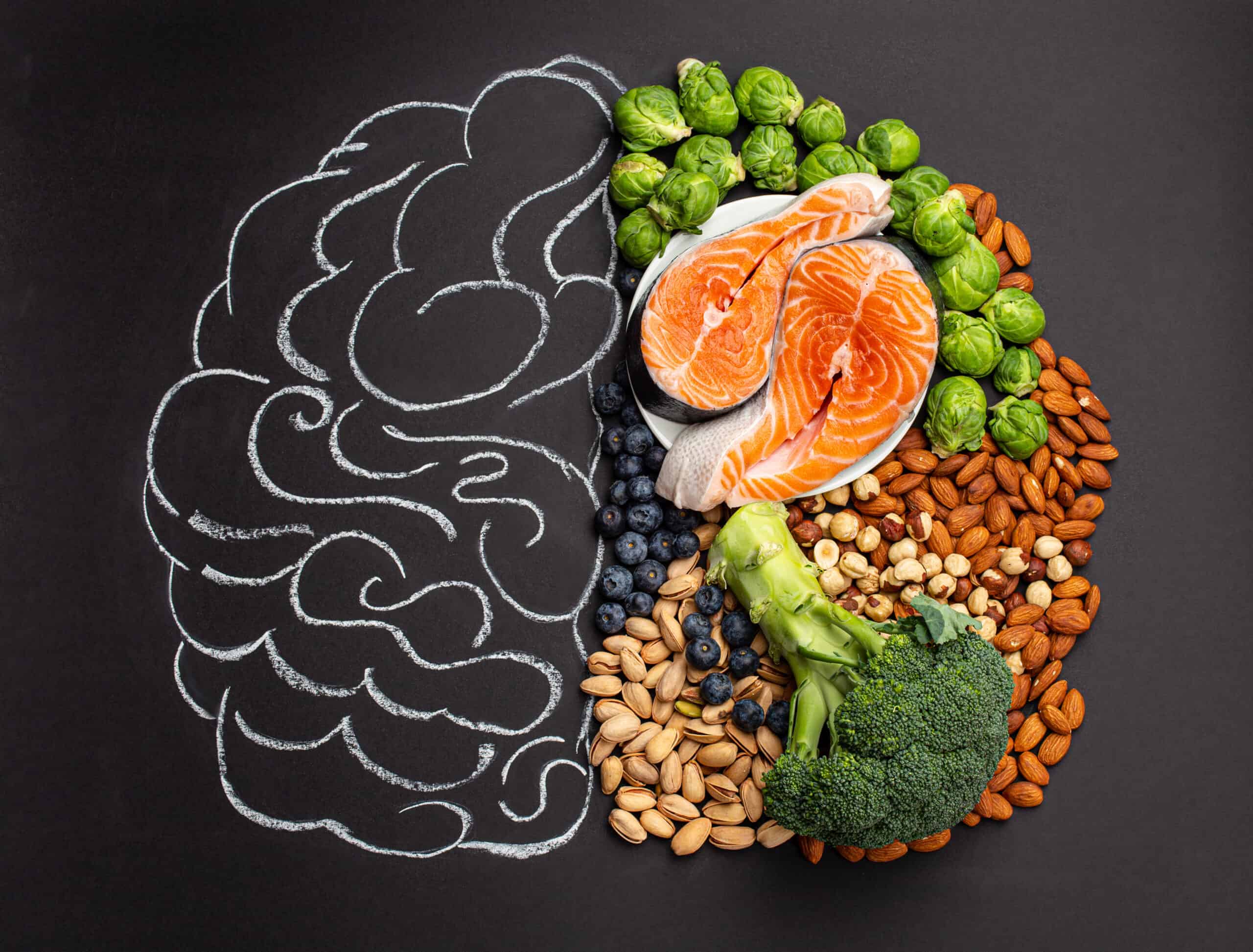
4 – OMEGA-3 FATS MAY SUPPORT BRAIN FUNCTION AND EMOTIONAL WELLBEING
Omega-3 fats play an important role in brain and nervous system function. Meeting your teenager's omega-3 requirements matters for both physical health and behaviour.
These fats may help support attention, mood and cognitive function. Yet many teenagers eat very little oily fish or other omega-3-rich foods.
Good sources include:
- Salmon, sardines and mackerel
- Walnuts, chia seeds and flaxseeds
- Avocado, olives and olive oil
It is generally recommended to include at least two portions of oily fish per week, with plant-based sources contributing alongside. If your teen avoids fish and dislikes nuts or seeds, it may be worth discussing an omega-3 supplement with a healthcare professional.

5 – KEY VITAMINS AND MINERALS SUPPORT MOOD, ENERGY AND FOCUS
A teenager may be eating enough food overall but still be low in specific nutrients that play a role in mood, concentration and energy.
A few worth paying attention to:
Iron: Low iron levels have been found in many children and teenagers presenting with concentration difficulties. Ensuring adequate iron intake supports energy and focus.
Magnesium: Magnesium plays a role in the stress response, nervous system regulation and the ability to return to a calm state after stress. Fruit and vegetables are good sources. Teens should aim for a minimum of five portions per day.
Vitamin D: The body produces vitamin D through sun exposure, and not many foods contain meaningful amounts. Modern life means many teens spend more time indoors than previous generations. Research has linked poor vitamin D status with increased irritability, hyperactivity and poor concentration.
B-vitamins: These support energy metabolism and nervous system function.
The best approach is a nutrient-dense diet that includes fruit, vegetables, protein foods, legumes, whole grains, dairy or suitable alternatives, and nuts and seeds.
6 – FIBRE DOES MORE THAN KEEP YOUR TEEN REGULAR
Fibre is often associated only with digestion, but it plays a broader role in health, both physical and mental.
Fibre helps slow the release of glucose into the bloodstream, which supports more stable blood sugar levels. This is directly relevant to mood regulation and classroom attention. Fibre also feeds the beneficial bacteria in the gut.
This matters because the gut and the brain are in constant communication via what is known as the gut-brain axis. A healthier gut environment may support improved mood and behaviour. While this is a relatively new area of research, the evidence is growing.
Good sources of fibre include fruit, vegetables, oats, beans and lentils, whole grains, and nuts and seeds.

Signs Your Teen's Diet May Need Attention
Here are some practical clues that nutrition may be contributing to the problem:
- Skipping breakfast regularly
- Living on snack foods or convenience meals
- Very little fruit or vegetables in the daily diet
- Frequent energy crashes during the day
- Difficulty concentrating at school
- Irritability when hungry
- Very limited food variety
- Relying on sugary drinks or caffeine
- Constant hunger or snacking heavily after school
None of these automatically means diet is the only issue. But they are worth noticing.
What Parents Can Do Practically
You do not need to overhaul everything at once.
Start with a few realistic changes:
- Improve breakfast first
- Make balanced snacks easy to grab
- Serve one vegetable or salad at lunch and supper
- Reduce reliance on sugary drinks
- Add more protein and fibre to meals
- Aim for more consistency, not perfection
Small, consistent upgrades are usually far more effective than extreme changes that are hard to sustain.
Final Thoughts
Your child's diet will not explain every mood swing, concentration difficulty or behaviour challenge. But it can absolutely influence how they feel, function and cope day to day.
A more balanced eating pattern supports steadier energy, better concentration, improved emotional regulation and stronger overall wellbeing.
When in doubt, come back to the basics: more variety, regular meals, whole foods, adequate fibre and enough of the right nutrients to support a growing brain and body.
That foundation matters more than most people realise.
FAQ's
Can a teenager's diet affect their mood and behaviour? Yes. What teens eat directly influences the brain's chemical pathways that regulate mood, concentration and energy. A diet low in variety, nutrients or regular meals may contribute to irritability, poor focus and mood instability.
What foods help teenagers concentrate better at school? Foods that support steady blood sugar and provide key nutrients are most helpful. These include eggs, oats, wholegrain bread, oily fish, nuts, seeds, fruit and vegetables. A balanced breakfast is especially important for morning focus.
Why does my teenager get so moody when they skip meals? Skipping meals causes blood sugar to drop, which can affect energy, concentration and mood. Teenagers have high energy requirements due to growth and development. Regular meals help keep blood sugar stable and support steadier behaviour.
What vitamins and minerals affect teenage mood and focus? Iron, magnesium, vitamin D and B-vitamins all play a role in energy, mood and concentration. Low levels of these nutrients have been associated with tiredness, irritability and difficulty focusing in teenagers.
Are omega-3 fats important for a teenager's brain? Yes. Omega-3 fats support brain and nervous system function and may help with attention, mood and cognitive performance. Good sources include oily fish such as salmon and sardines, as well as walnuts, chia seeds and flaxseeds.
What is the gut-brain axis and why does it matter for teens? The gut-brain axis is the communication pathway between the digestive system and the brain. A diet rich in fibre supports beneficial gut bacteria, which may play a role in supporting mood and emotional wellbeing in teenagers.
How do I know if my teen's diet is affecting their behaviour? Signs to look out for include skipping breakfast, relying heavily on processed or sugary foods, very limited fruit and vegetable intake, frequent energy crashes, poor focus at school and irritability when hungry. These are not definitive proof, but they are worth addressing.
REFERENCES
- Ríos-Hernández A, Alda J, Farran-Codina A, Ferreira-García E, Izquierdo-Pulido M. The Mediterranean Diet and ADHD in Children and Adolescents. Pediatrics. 2017;139(2):e20162027. (PubMed)
- Beilharz J, Maniam J, Morris M. Diet-Induced Cognitive Deficits: The Role of Fat and Sugar, Potential Mechanisms and Nutritional Interventions. Nutrients. 2015;7(8):6719-6738. (PubMed)
- Tardy A, Pouteau E, Marquez D, Yilmaz C, Scholey A. Vitamins and Minerals for Energy, Fatigue and Cognition: A Narrative Review of the Biochemical and Clinical Evidence. Nutrients. 2020;12(1):228. (PubMed)
- Owen L, Corfe B. The role of diet and nutrition on mental health and wellbeing. Proceedings of the Nutrition Society. 2017;76(4):425-426. (PubMed)
- Healthy Eating Plate . The Nutrition Source. 2021 . Available from: https://www.hsph.harvard.edu/nutritionsource/healthy-eating-plate/
- A Teenager’s Nutritional Needs . HealthyChildren.org. 2021 . Available from: https://www.healthychildren.org/English/ages-stages/teen/nutrition/Pages/A-Teenagers-Nutritional-Needs.aspx
- Is Your Mood Disorder a Symptom of Unstable Blood Sugar? . Sph.umich.edu. 2021 . Available from: https://sph.umich.edu/pursuit/2019posts/mood-blood-sugar-kujawski.html
- Villagomez A, Ramtekkar U. Iron, Magnesium, Vitamin D, and Zinc Deficiencies in Children Presenting with Symptoms of Attention-Deficit/Hyperactivity Disorder. Children. 2014;1(3):261-279. (PubMed)
- Kidd P. Omega-3 DHA and EPA for Cognition, Behavior, and Mood: Clinical Findings and Structural- Functional Synergies with Cell Membrane Phospholipids. Alternative Medicine Review. 2007;12(3):207-227. (PubMed)
- Happy Gut Bacteria, Happy Brain: The Microbiota-Gut-Brain Axis . Frontiers for Young Minds. 2021 . Available from: https://kids.frontiersin.org/articles/10.3389/frym.2019.00015